


If you’ve ever sat in the left seat and watched clouds stack up faster than you expected, you know the feeling. One minute it’s VFR and smooth, and the next, you’re wondering how the visibility got so bad and why that ceiling is lower than you planned. The weather looked fine when you left. So what happened?
The slow fade from “good enough” to “get-me-on-the-ground” has probably affected most of us at some point. In general aviation, weather-related accidents account for a huge number of fatalities, and they often share the same root causes: the pilot misread, underestimated, or ignored the weather. Let’s take a look at how this happens and how to avoid becoming part of the statistics.
The Illusion of “Good Enough” Weather
Most VFR pilots are pretty good about checking METARs, TAFs, and maybe even calling Flight Service before they go. So what’s the problem?
Forecasted weather is simply that—a forecast. It is not an observation. I’ve had many CFIs make that clear to me.
Additionally, marginal conditions may look fine—until they’re not. The trap usually starts with marginal VFR, which includes ceilings around 1,000-3,000 feet, visibility down around three to five miles, and scattered clouds that start to build without much warning.
It doesn’t take much for marginal VFR to turn into IFR, especially if terrain increases or the weather system speeds up. If you’ve ever flown during the summer over the desert, you’ve seen towering cumulus form from nothing in minutes.
Real-World Example: “The Weather Was Supposed to Be Fine”
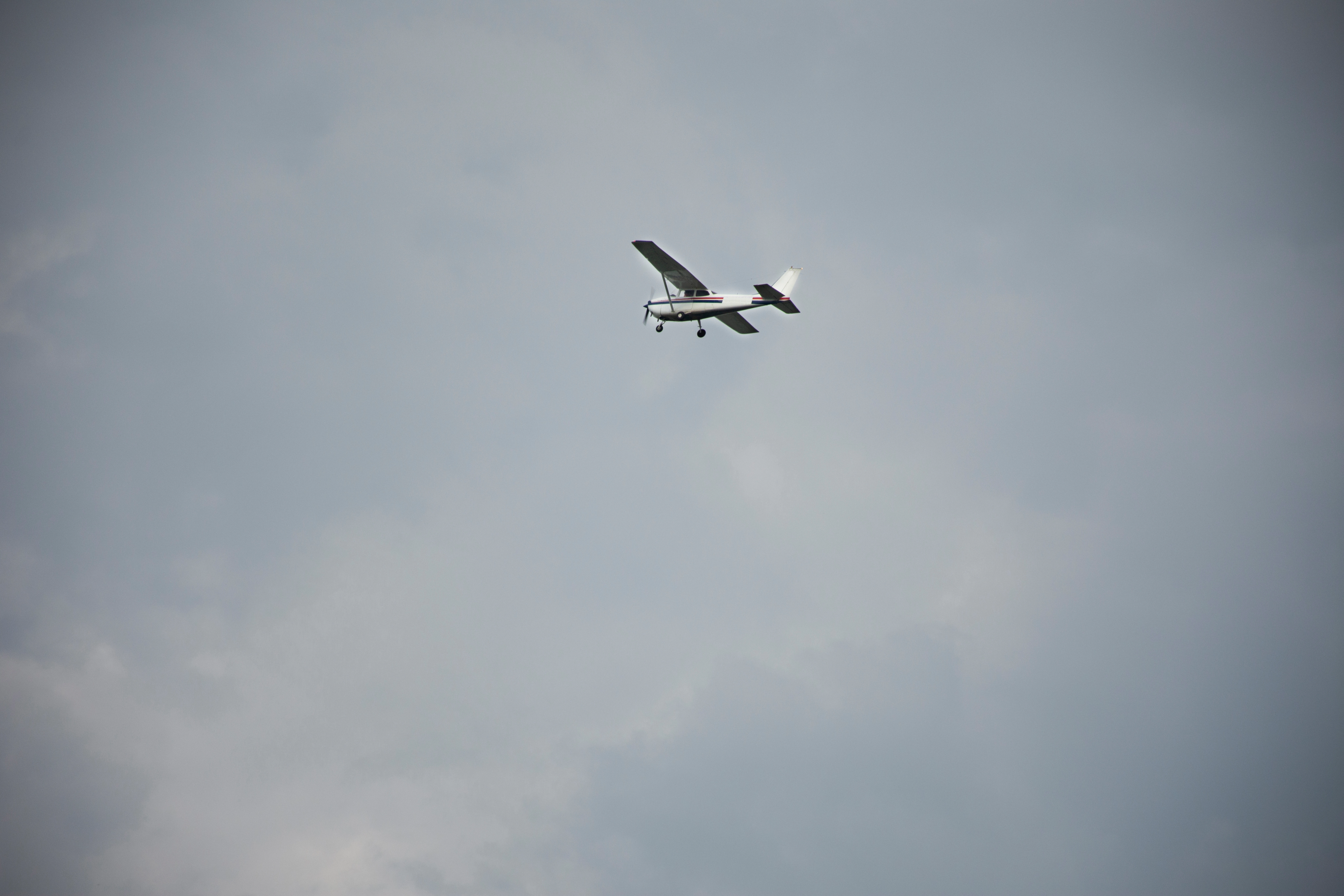
In a previous article, we talked about a Cessna 150 accident over Lake Winnipesaukee. Let’s take a closer look at the weather side of that flight.
The pilot departed Rhode Island in the afternoon. Weather reports along the route showed marginal VFR, with some haze and smoke from distant wildfires. The forecast for Laconia, New Hampshire, said five miles of visibility, clear skies, and calm winds. Totally VFR, right?
At the time of arrival, it was much different than the forecast. Smoke and haze were far worse than expected. Visibility over the lake was poor to non-existent. It was dark, with no ground lights and no moon to help. The pilot may have never seen it coming. That’s the danger with relying on the forecast alone; it gives you the best guess, but it’s no guarantee.
How Pilots Get Weather Wrong

Believing a forecast is the same as an observation
Pilots may treat the forecast as reality and are then surprised when conditions deteriorate. Just because the TAF says “clear” doesn’t mean it will be. Conditions can change quickly. Relying too much on the forecast creates a false sense of security.
Not looking at big-picture weather
Many pilots check the local METAR, maybe the TAF, and stop there. But what’s happening outside the terminal area?
- Is a front moving in?
- Are ceilings dropping over time?
- Can you still interpret weather charts like the Surface Analysis or the Significant Weather Prog Chart?
Pilots get trapped when they only look at departure and destination—not the en route trend.
Misunderstanding marginal conditions
Marginal VFR doesn’t leave you much room to maneuver. If you’re flying under a 2,000-foot ceiling and the terrain climbs, you’re out of space quickly. And if the ceiling drops, you’re suddenly trapped between cloud and terrain with very few outs.
Not factoring in terrain or geography
Weather behaves differently over water, mountains, and valleys. Flying over a dark lake at night in haze? Conditions that might be “okay” over land can quickly become deadly with no visible horizon.
How To Stay Ahead of the Weather

Use the PIREPs
Pilot reports give you real-time intel on what’s happening right now. They can warn you about cloud layers, visibility, turbulence, or icing not shown in the forecast. And don’t forget to leave a PIREP, if able. It helps every pilot behind you.
Call a briefer
With ForeFlight, Garmin Pilot, and other EFBs, skipping the human element is easy. But a quick call to 800-WX-BRIEF can make a huge difference.
- Need the whole picture? Ask for a standard briefing.
- Already have the weather but want updates? Ask for an abbreviated briefing.
- More than six hours before departure? Ask for an outlook briefing.
Just have a pen and paper ready; the information comes fast.
Build your own personal minimums
If you’re flying VFR, make your own go/no-go numbers. Here’s an example.
- Day cross-country: ceilings no lower than 2,500 feet and five miles of visibility.
- Night flight: double it. Losing visual reference at night feels like flying into a black hole.
Always have an out
Never launch unless you know where you can land if the weather gets worse. Divert airports, turn-back points, and fuel reserves should be planned before departing. When the weather takes a turn, and that little voice creeps in, you’ll be glad you already had the plan.
The Bottom Line
The weather looked good when that Cessna 150 pilot left Rhode Island, but it wasn’t the same when he got to Laconia. That’s the point: The weather can change quickly.
If you only plan for what the forecast says, you’re flying blind. The best pilots respect marginal conditions. They have a plan for worse-than-expected weather, and they aren’t afraid to delay, divert, or scrub a flight when things don’t feel right.
Share this

Pay Attention to the Dew Point
VFR Not Recommended
.png)