


Many of the most common traps general aviation pilots fall into start before takeoff. Whether on the ramp or during the planning phase, the decisions you make on the ground are what keep you safe in the air.
Once you’re airborne, the margin for error shrinks quickly. You don’t rise to the occasion; you default to your training, habits, and the decisions you made before you ever pushed the throttle forward.
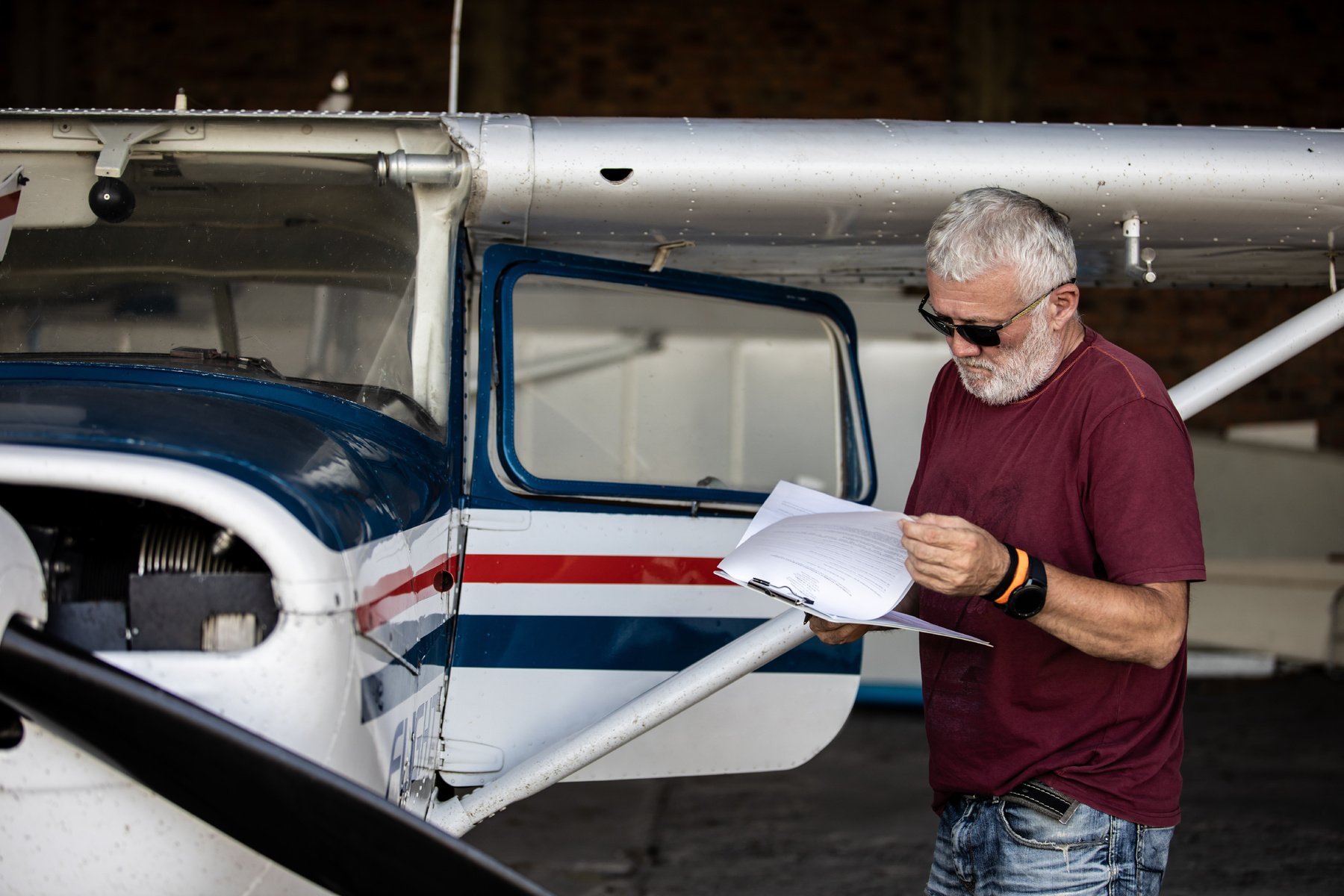
Preflight Planning Is More Than Paperwork
For many pilots, preflight planning becomes a routine task—something you do because the regulations say so. You check the weather, file a flight plan, and review the NOTAMs. Real planning is more than that. It is a mindset. You take an honest look at the risks of today’s flight, not yesterday’s or last month’s, and evaluate your own readiness, your airplane’s condition, and whether the environment is appropriate for the flight you are about to make. This only works if the assessment is honest and thorough.
Many accidents happen because of small oversights.
- A low tire on preflight turns into a blowout on landing.
- A skipped fuel stop leads to fuel exhaustion.
- An unfamiliar instrument approach gets briefed too late to fly safely.
You can't catch everything. The more deliberate you are on the ground, the better prepared you will be in the air.
The Federal Aviation Administration loves acronyms, and pilots often dismiss them. Some, though, are worth the attention. Here’s a quick review.
PAVE Checklist
- Pilot: Are you fit to fly? (Use IMSAFE: Illness, Medication, Stress, Alcohol, Fatigue, Emotion).
- Aircraft: Is the airplane airworthy, fueled, and equipped for this flight?
- enVironment: Weather, terrain, time of day, ATC delays, NOTAMs. Are there any red flags?
- External Pressures: Are you feeling rushed? Are passengers adding stress? Is the schedule pushing you?

5P Check
The 5P checklist is another great tool from the FAA, particularly for single-pilot-crew resource management.
- Plan: Review the weather, your route, and alternates.
- Plane: Verify maintenance status, fuel, and systems.
- Pilot: Assess mental and physical readiness.
- Passengers: Are they adding pressure? Will they support a diversion?
- Programming: Are your avionics, flight plan, and automation set up and understood?
These checklists are not busy work. They’re designed to make you stop and think. They encourage you to ask better questions before you commit to a flight.
Real-World Example: A Simple "No-Go" Saves the Day
A friend of mine was flying a Piper Seneca on a cross-country trip to visit his wife’s family. He would be taking his wife and two children. The weather was VFR at the destination but was forecast to deteriorate later in the day. Sound familiar?
He planned to leave around noon. Delays pushed his departure back to mid-afternoon. By 3 p.m., ceilings were dropping, and so was the visibility. He was tempted to go anyway. The flight would be about an hour and a half, and he had flown that route numerous times. He called me, and we discussed the weather and his thought process. He was really set on going.
We ran the PAVE checklist, and that made him think twice. He was tired. The airplane was IFR-equipped, and he was current, but he did not feel proficient. The weather was marginal and worsening. He was feeling pressure because people were waiting for him.
He made the call to cancel. An hour later, the destination weather decreased to IFR. He was home, safe with his family, instead of scud-running or flying non-proficient IFR into worsening conditions. He went the next morning when the weather was better for the whole route. He also set up some time with me to get IFR proficient! That is risk management in action.
Five Rules for Better Preflight Decision-Making

1. Plan for "No."
Be ready to cancel before you ever leave the house. Build “no-go” decisions into your plan. Here are a few examples.
- “I won’t depart if the ceilings are below 3,000 feet.”
- “I’ll divert if the crosswind exceeds my personal limit.”
2. Set hard personal minimums.
Know your numbers, and do not adjust them in flight. Stick to them.
3. Talk it out.
Say your plan out loud. Talk through it with yourself, your co-pilot, or your passengers. It makes it real and helps catch things you might otherwise miss.
4. Use your resources.
Check all available tools—Flight Service, TAFs, PIREPs, AIRMETs, NOTAMs. Don’t rely on just one app or briefing.
5. Be willing to walk away.
The best pilots I know have canceled flights they wanted to take. They walked away from airplanes that were not right. They are still flying today because they made the hard choice to stay on the ground when it was unsafe to fly.
At the end of the day, the decisions you make before you fly are the ones that will save your life while you are flying. There is nothing glamorous about it. Nobody is watching. Your passengers and your family are counting on you to make the smart call, even if it means staying on the ground.
Ultimately, decision-making separates safe pilots from those who end up as statistics. You don’t have to fly scared, but you do have to fly smart. Respect the risks. Know your limits. Plan like your life depends on it, because it does.
Share this

How External Pressures Destroy Good Pilots
Why Experienced Pilots Fail: The Hidden Threat of Complacency