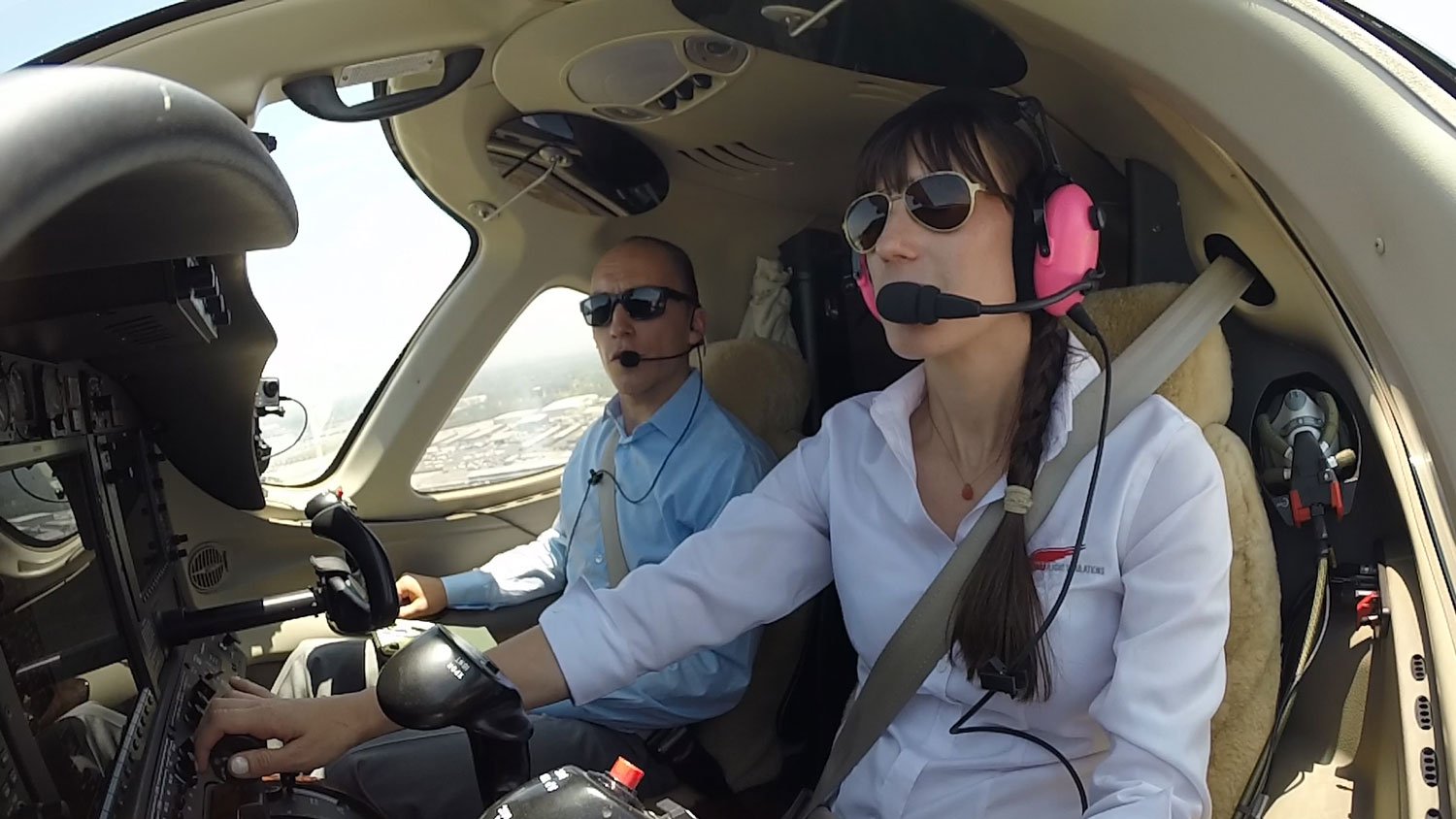


Have you ever driven to work and, when you arrived, realized you didn’t really remember any details of the drive? You may have done it hundreds of times. You were on autopilot.
Now, think about the flying you do. Pick a route you’ve flown dozens of times, with the same airplane, airport, and preflight routine. Nothing to it, right? That’s when complacency sneaks in.
It doesn’t happen all at once. It’s slow, quiet, and subtle. You don’t feel like you’re letting your guard down—yet you are. The worst part is, you usually don’t notice until something happens that snaps you out of it (if you’re lucky).
We all think, “It won’t happen to me.” Every NTSB report with an experienced pilot at the controls tells a much different story. Complacency doesn’t care how many hours you’ve logged or how sharp you think you are.
What Complacency Looks Like for GA Pilots
Complacency is when you stop giving something the attention it deserves because you’ve done it so many times before. You assume everything is fine.
-
You don’t double-check the fuel caps.
-
You skip a section of the checklist because it has always been fine.
-
You fly with one eye on the gauges and one eye on your phone.
It’s easy to fall into a routine and let your mental discipline slip. The problem is that aviation doesn’t offer much room for error. Complacency degrades your safety margin until there’s nothing left.
Routine Flight, Unexpected Disaster
The following excerpt is from a report made by a pilot to the Aviation Safety Reporting System, which was later published in General Aviation News. The report scrubs some specifics to maintain anonymity.
Can you see where this off-airport landing could have been avoided? He said he “preflighted but forgot to check the wing top tank caps.” One small oversight, caused by distraction and routine. The flight ended with the best possible outcome considering the situation, but I guarantee he will always check the fuel caps in the future.
How Complacency Creeps Into Your Flying
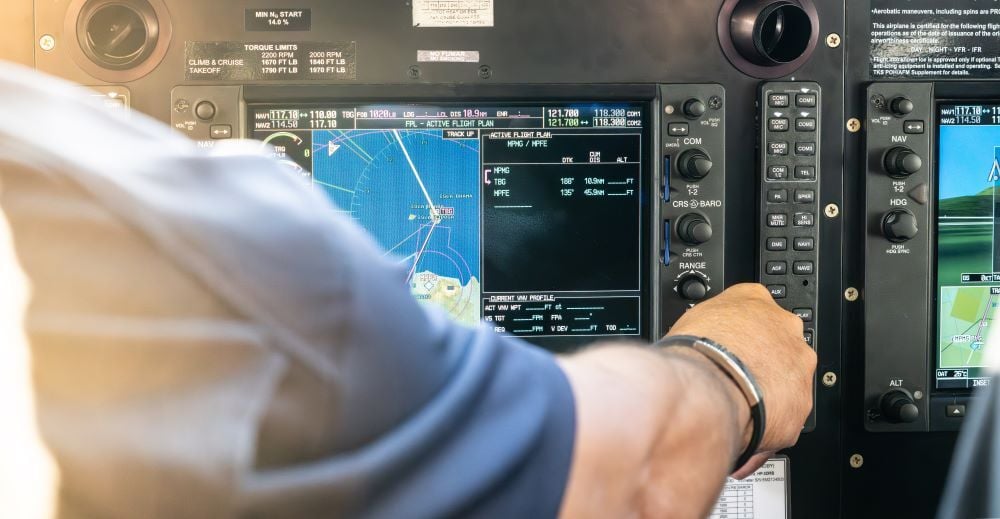
Over-reliance on automation
Glass panels, autopilots, and GPS do so much for us now. When you let them do too much, you start to lose your edge. If something fails, you may get behind the airplane fast.
Familiarity breeding laziness
The more comfortable you are, the more likely you are to assume everything is fine. Familiar airports, airspace, and airplanes make it easy to let your guard down.
The compounding effects of fatigue
When you’re tired, you tend to go on mental autopilot. Routine flights make this worse because they feel easy. That’s when you’re most likely to miss something big.
Shortcut mentality
You’ve skipped the run-up before, and it was fine. You’ve launched with marginal fuel and made it. Every time you get away with something, you reinforce the idea that it’s okay to cut corners. This leads to the “normalization of deviance”—when exceptions become habits.
How To Beat Complacency Before It Beats You

1. Treat every flight like it’s your first in that airplane.
Even if you fly the same 172 every day, preflight it like it’s brand new. Walk around it with fresh eyes. Run the checklist. Verify everything. Always have a backup plan for when the technology fails. Yes, it takes extra minutes, but those minutes are worth your life.
2. Challenge yourself in training.
Don’t just practice what you’re already good at. Fly with an instructor and work on short fields, crosswinds, stalls, emergency procedures, and unusual attitudes. It keeps you sharp.
3. Mix up your routine.
Change your route. Fly to a new airport. Add variety to your flying. Keeping things fresh keeps your brain engaged.
4. Respect the risk every time.
Aviation is unforgiving. Each flight is a calculated risk. If you ever catch yourself thinking, “It’s just another flight,” stop—because there is no such thing.
5. Ask, “What am I missing?”
At some point in every flight, take a moment and ask yourself: What’s not right? What have I overlooked? After completing all checklists before takeoff, a captain I flew with used to say, “Okay, so what’s going to kill us?” He’d then scan everything one more time.
Complacency Is a Silent Killer
It isn’t dramatic. It slips in through the cracks in your attention and waits for you to stop paying attention.
The best defense is staying humble and disciplined. Never assume it’s “just another flight.” Treat every takeoff, landing, and preflight like it matters—because it does.
Share this
.jpeg)
When To Say No Go: Mastering the Toughest Decision in Flying
The Dangers of Sticking With a Bad Approach